

In modern football, physical fitness and performance are always closely monitored to ensure fairness. One of the most important procedures is doping testing. So…What is doping testing? Why are these rules so strict, and what consequences will players face if they violate them? This article will clarify the entire issue, from the concept and procedures to the severe penalties in professional football.
1. What is the concept and purpose of doping testing?
To understand clearly What is doping testing? It’s necessary to look at its nature in professional sports. This is the process of testing biological samples (usually urine or blood) from athletes to detect banned substances that could unnaturally enhance performance.
In football, doping tests are not only aimed at detecting cheating but also at protecting the health of players. Stimulants, growth hormones, or performance-enhancing drugs can cause long-term harm to the body. Therefore, controlling doping is a crucial part of maintaining fairness and sustainability in this sport.
On online platforms such as Xoilac TV, Xoi Lac TV, or Xôi Lạc TV, xem truc tiep bong da While fans often focus on the action of the match, behind it lies a rigorous control system designed to ensure all players compete under fair conditions. This helps football maintain its core values and transparency.
In football, doping tests are not only aimed at detecting cheating but also at protecting the health of players.
2. The procedure for conducting doping tests in football.
After understanding What is doping testing? The next important thing is the method of implementation. This process is tightly organized and highly secure to ensure accurate results.
Typically, players are selected randomly or by designation after the match. They are asked to provide urine or blood samples under the supervision of testing personnel. These samples are then sealed and sent to an internationally accredited laboratory for analysis.
One notable point is that the testing process doesn’t only take place after the match but can also be conducted at any time, including during training. This requires players to maintain strict compliance at all times.
The big matches are broadcast on Xoilac TV, Xoi Lac TV, or Xôi Lạc TV, lịch thi đấu c1 This is often accompanied by stricter doping control regulations, especially in international tournaments. This reflects the professional and transparent development of modern football.
3. Penalties for players who violate doping rules
Once you understand What is doping testing? In addition, the system of penalties for players who violate the rules cannot be ignored. This is a crucial part of deterrence and maintaining fairness in competition.
If a player is found to have used a banned substance, the first penalty is usually a suspension from playing for a certain period, which can range from a few months to several years. In serious cases, the player may be banned from playing permanently.
Furthermore, players may be stripped of titles, have their match results annulled, and suffer significant damage to their personal reputation. Clubs can also be affected if violations occur within their team management system.
Besides the main punishment, players also face psychological pressure and loss of trust from fans. This is a long-term consequence, directly affecting their careers and personal image.
Fans have witnessed many cases of players being suspended from competition due to doping, causing serious disruptions to their careers.
4. The significance of doping tests for modern football
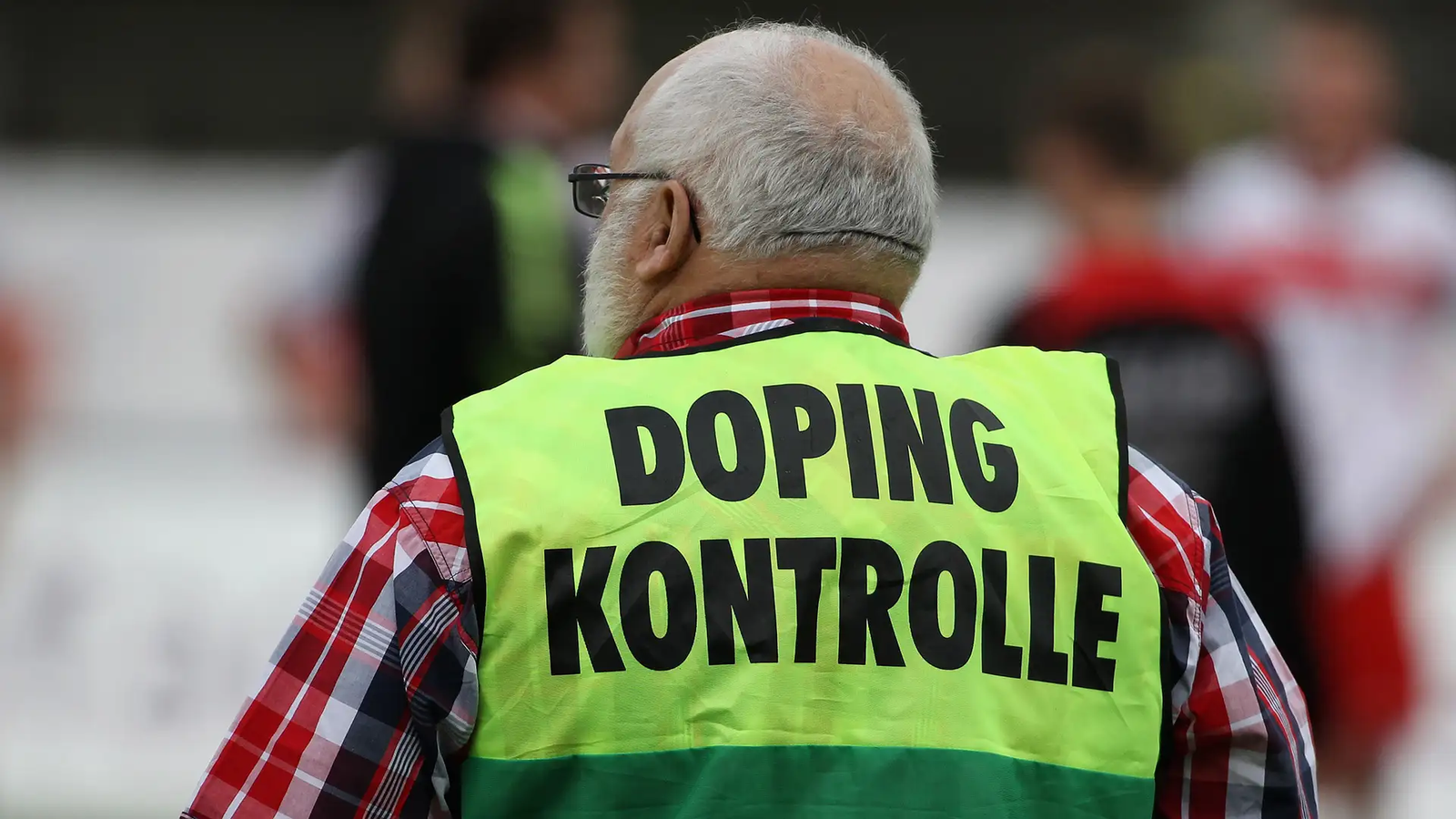
Understanding What is doping testing? It’s not just about the concept or punishment, but also about the value it brings to football. This is a factor that helps ensure transparency, fairness, and the sustainable development of this sport.
In the increasingly competitive world of football, maintaining a fair playing field is essential. Doping tests help eliminate unfair advantages, creating an environment where true talent can shine.
Matches on Xoilac TV, Xoi Lac TV, and Xôi Lạc TV become more exciting when fans believe that the results accurately reflect the players’ abilities, rather than external factors.
Furthermore, controlling doping contributes to protecting players’ health, helping them maintain long-term performance and avoid the risks associated with the use of performance-enhancing substances. This is a crucial factor for the professional and sustainable development of football.
In short, What is doping testing? It’s not just a technical process, but also a foundation for ensuring fairness in football. From rigorous testing procedures to severe penalties, everything is aimed at protecting the core values of the beautiful game.
Therefore, complying with doping regulations is not only the responsibility of the players but also a crucial factor in maintaining the trust of fans and the long-term development of world football.
Bạn đang đọc bài viết What is doping testing and what are the penalties for players who violate the rules? tại chuyên mục News trên website galaxypfp.com.